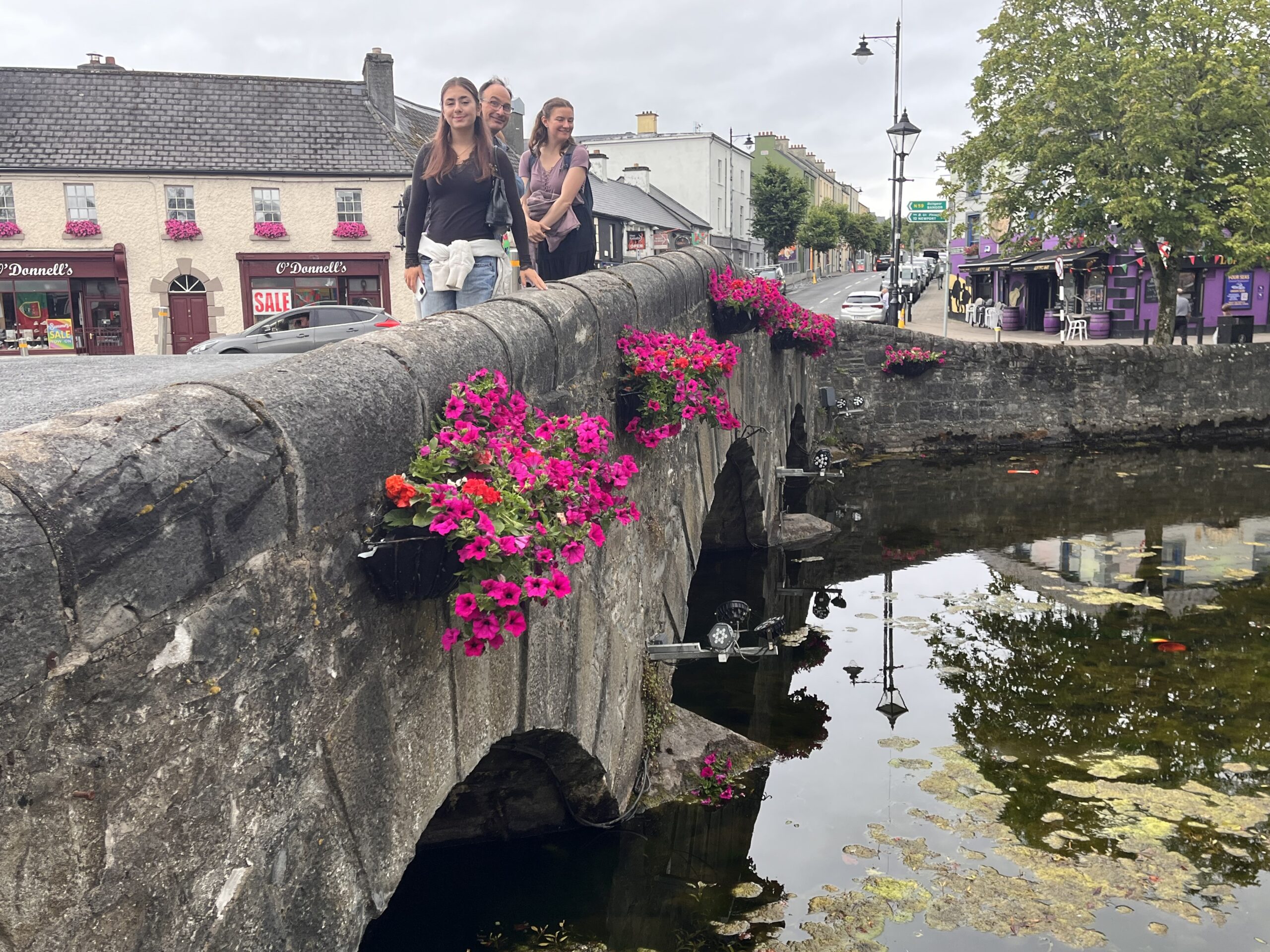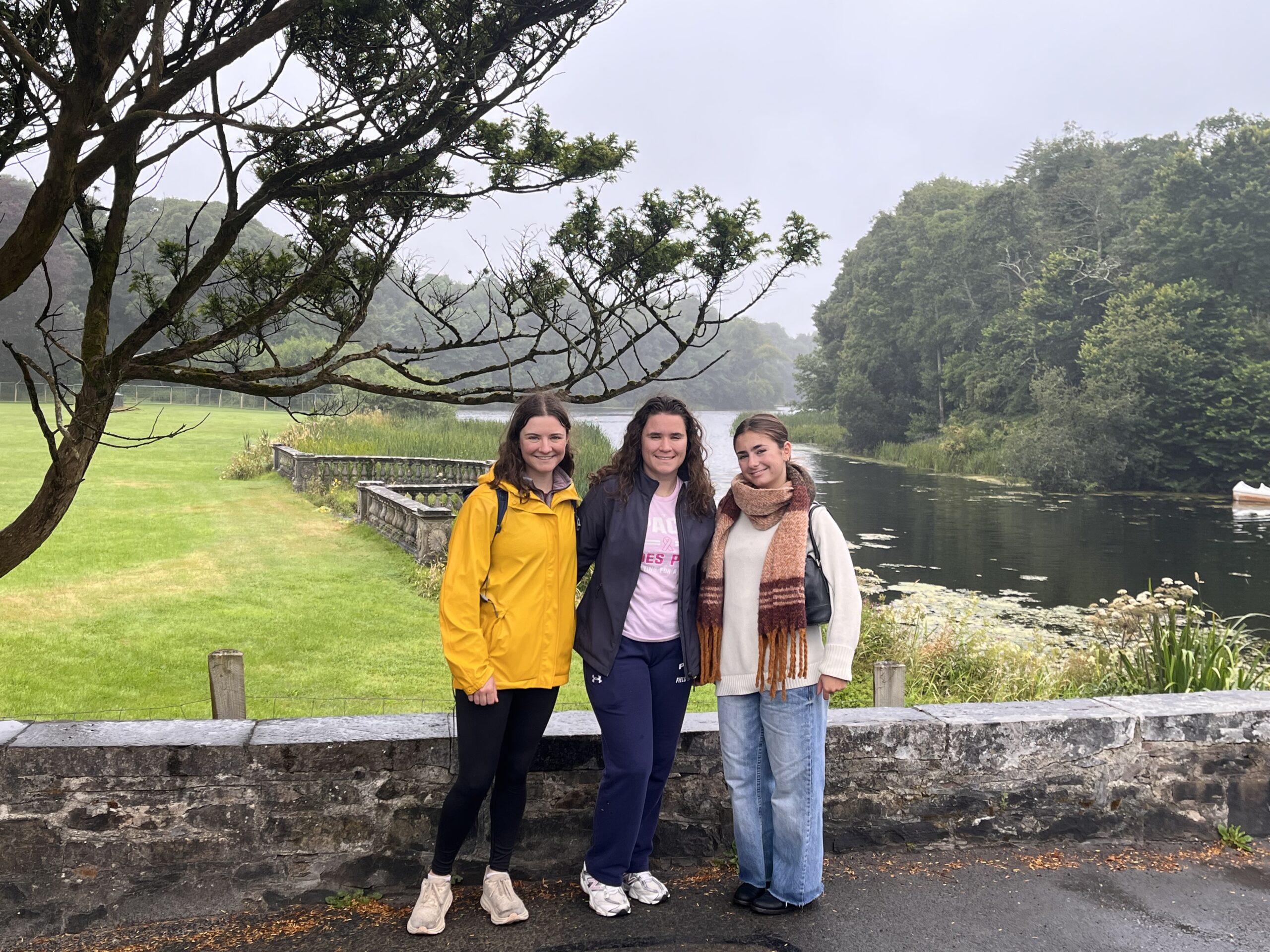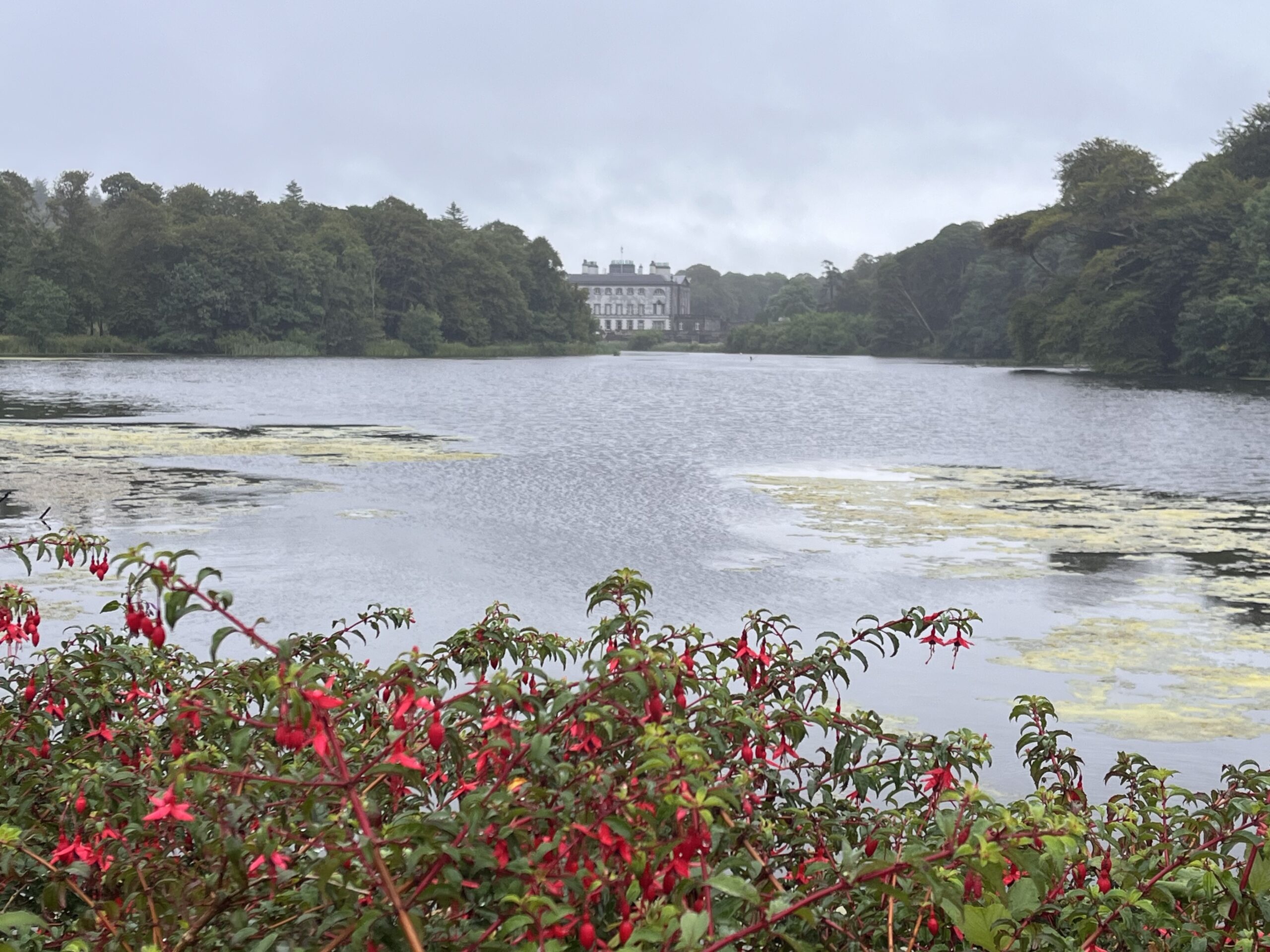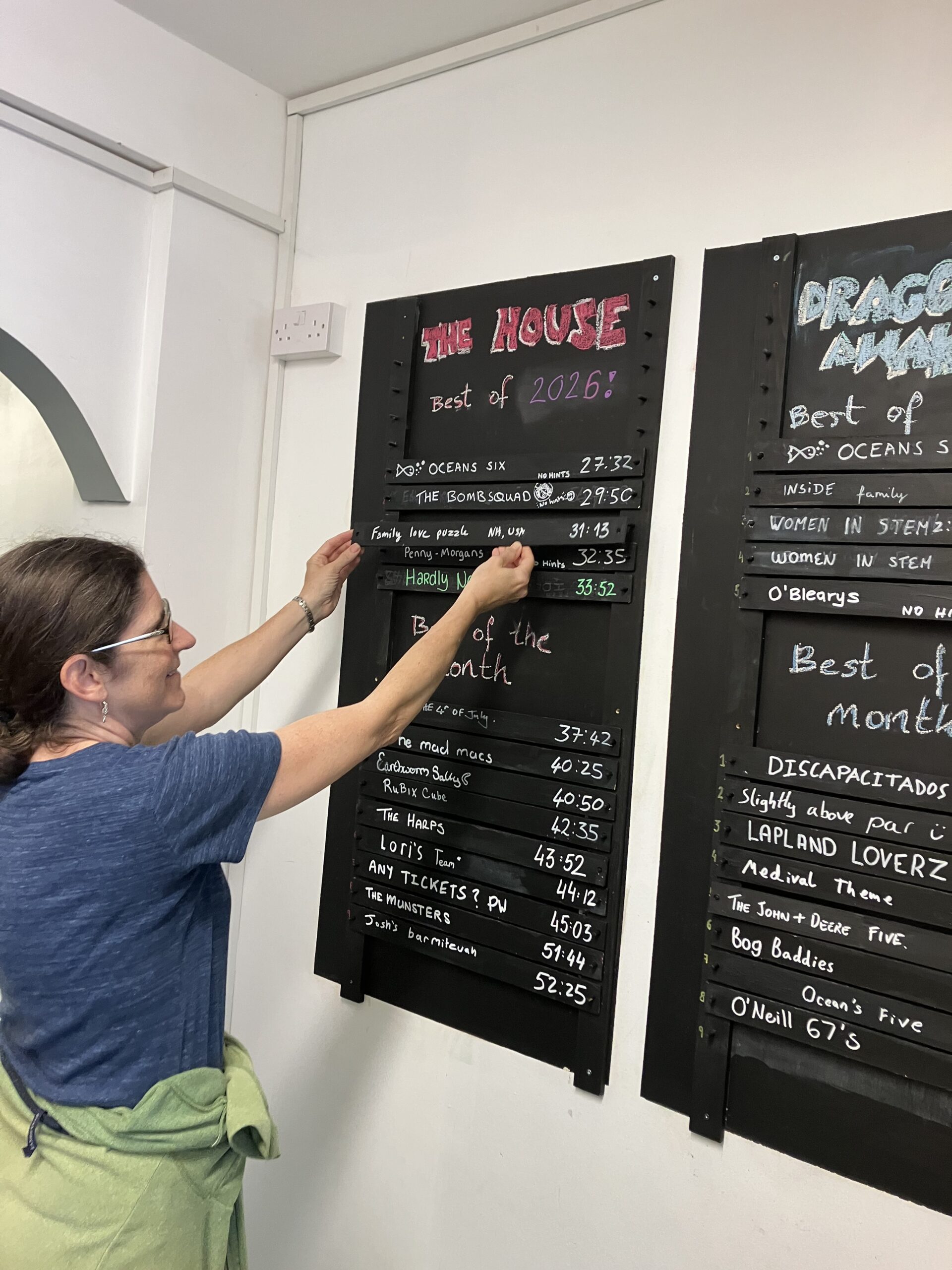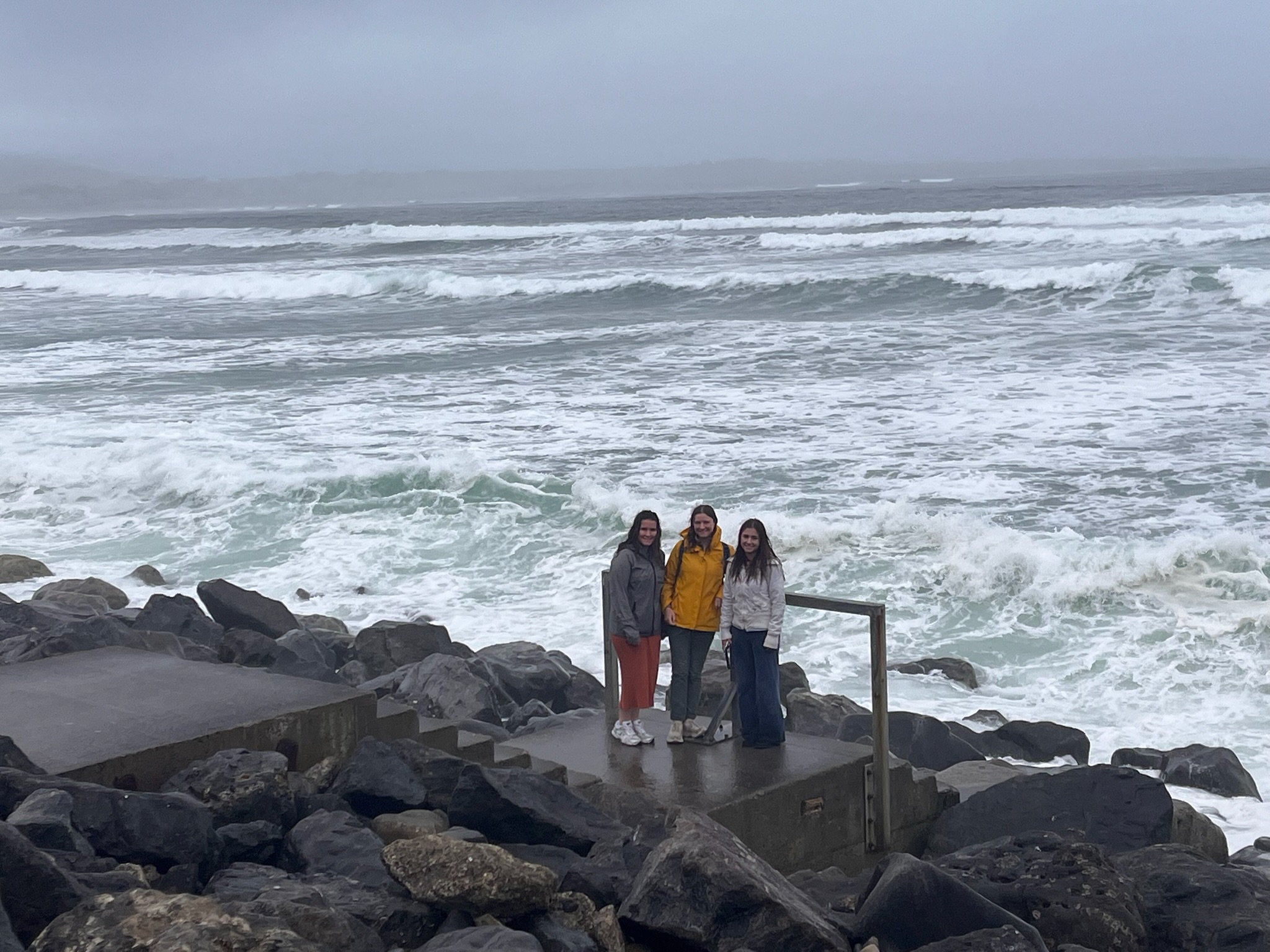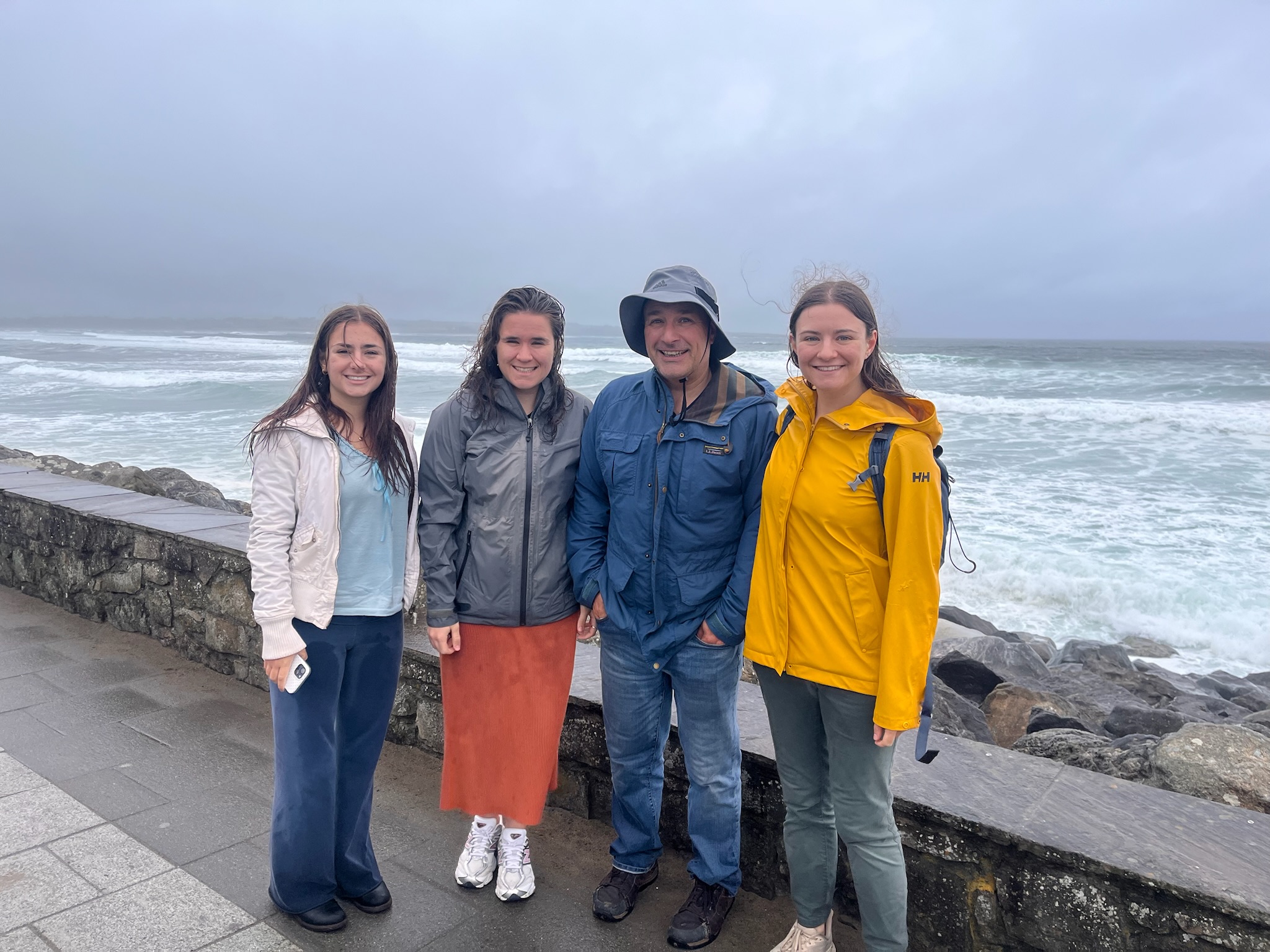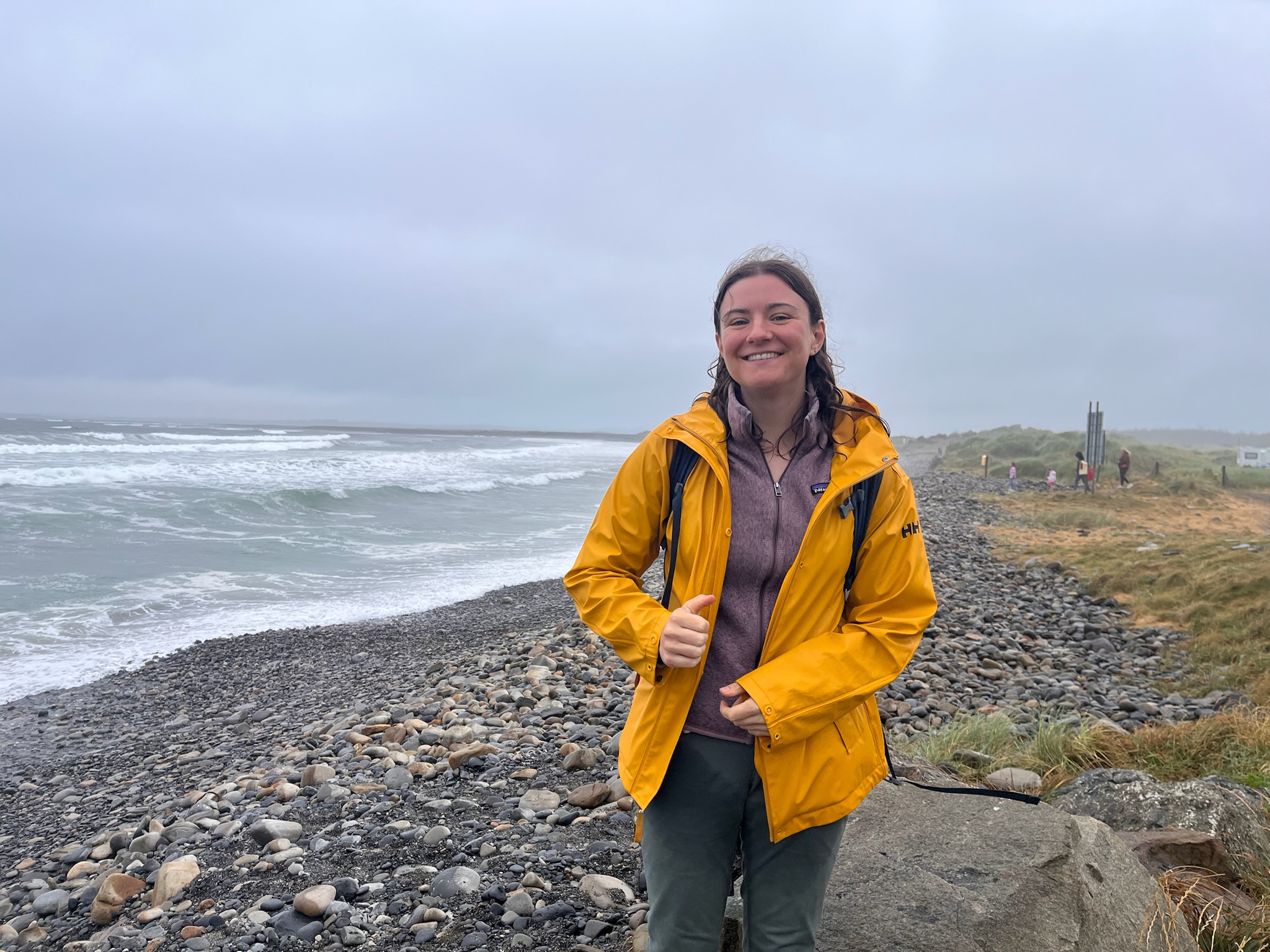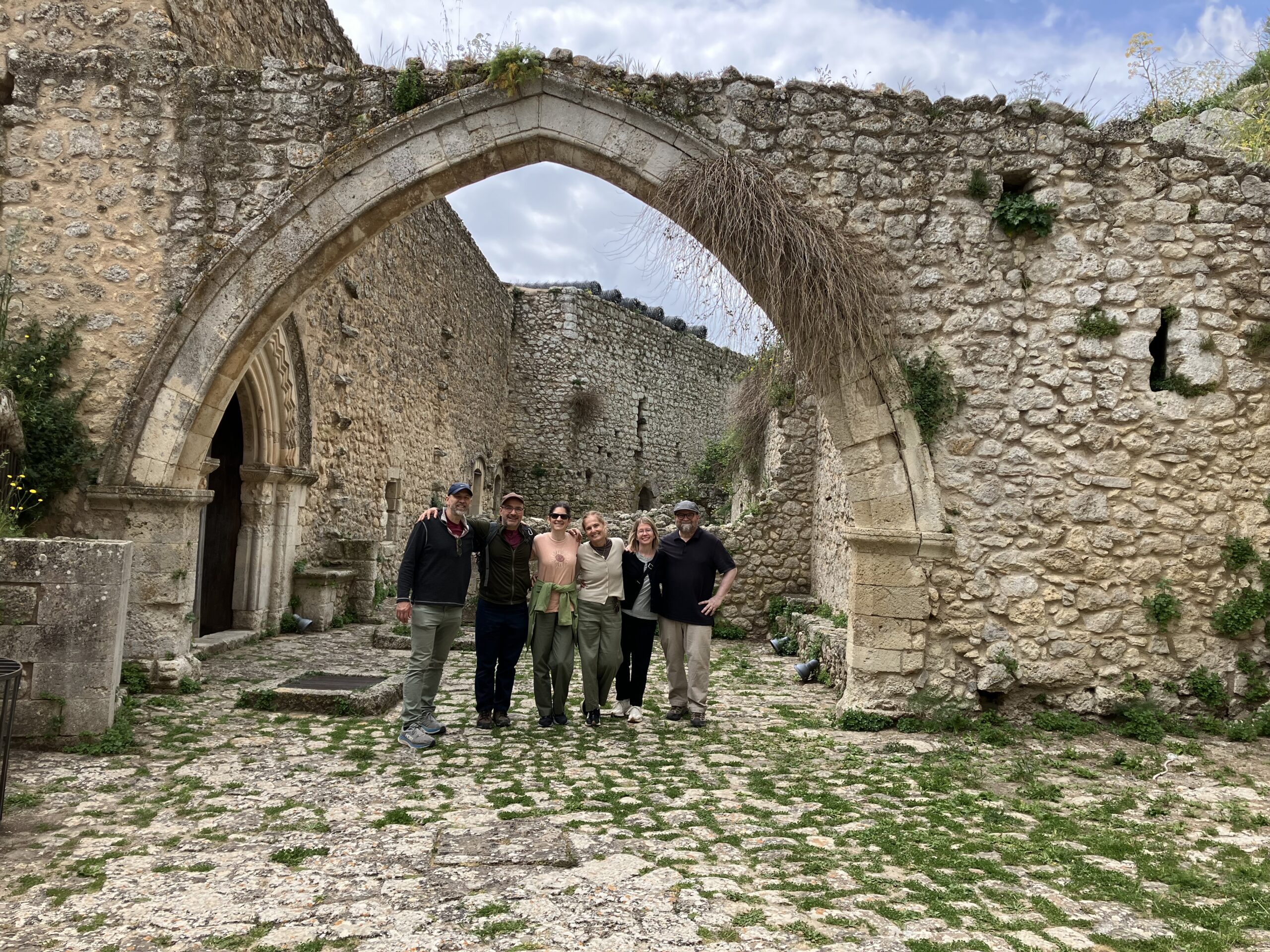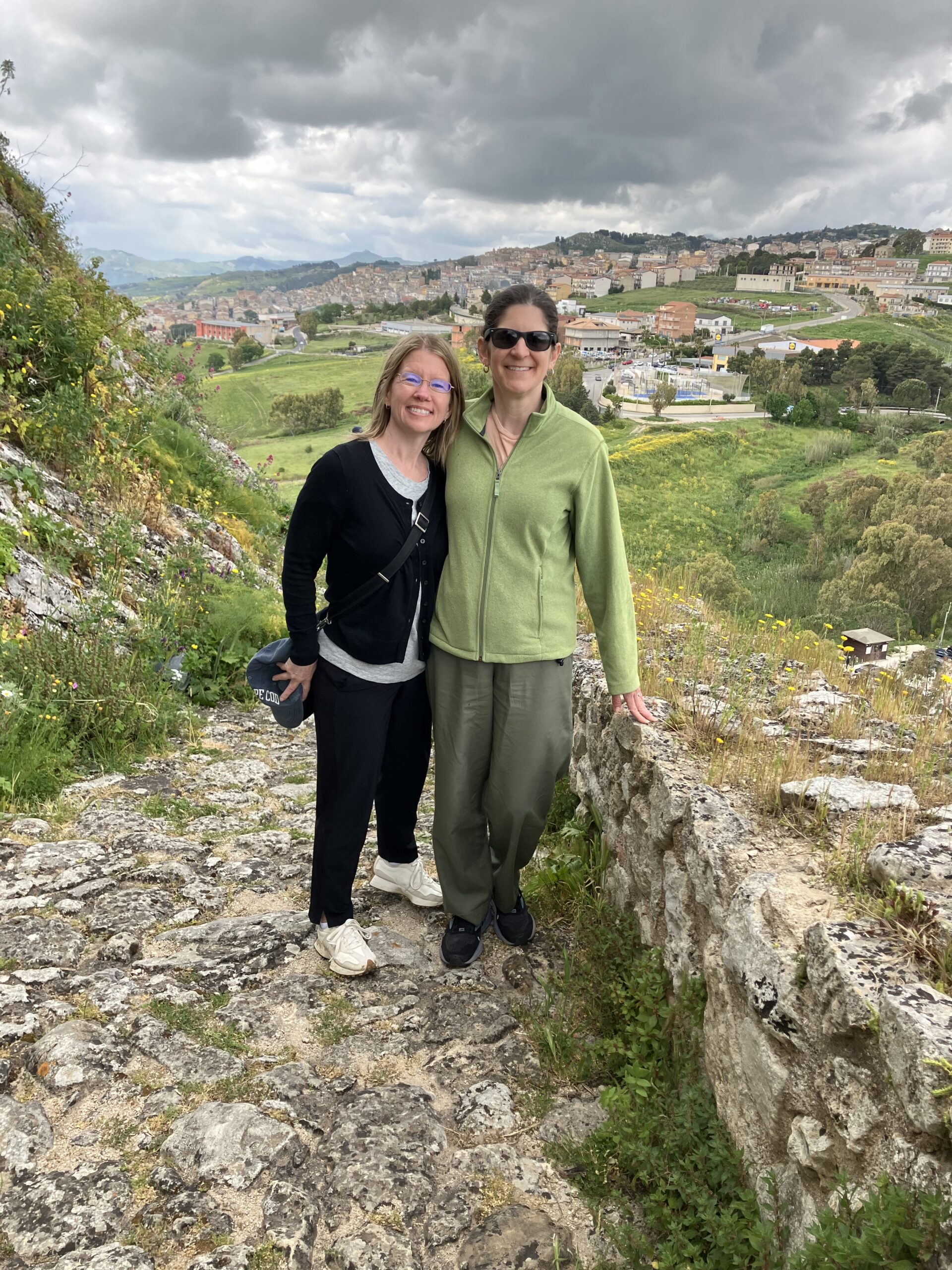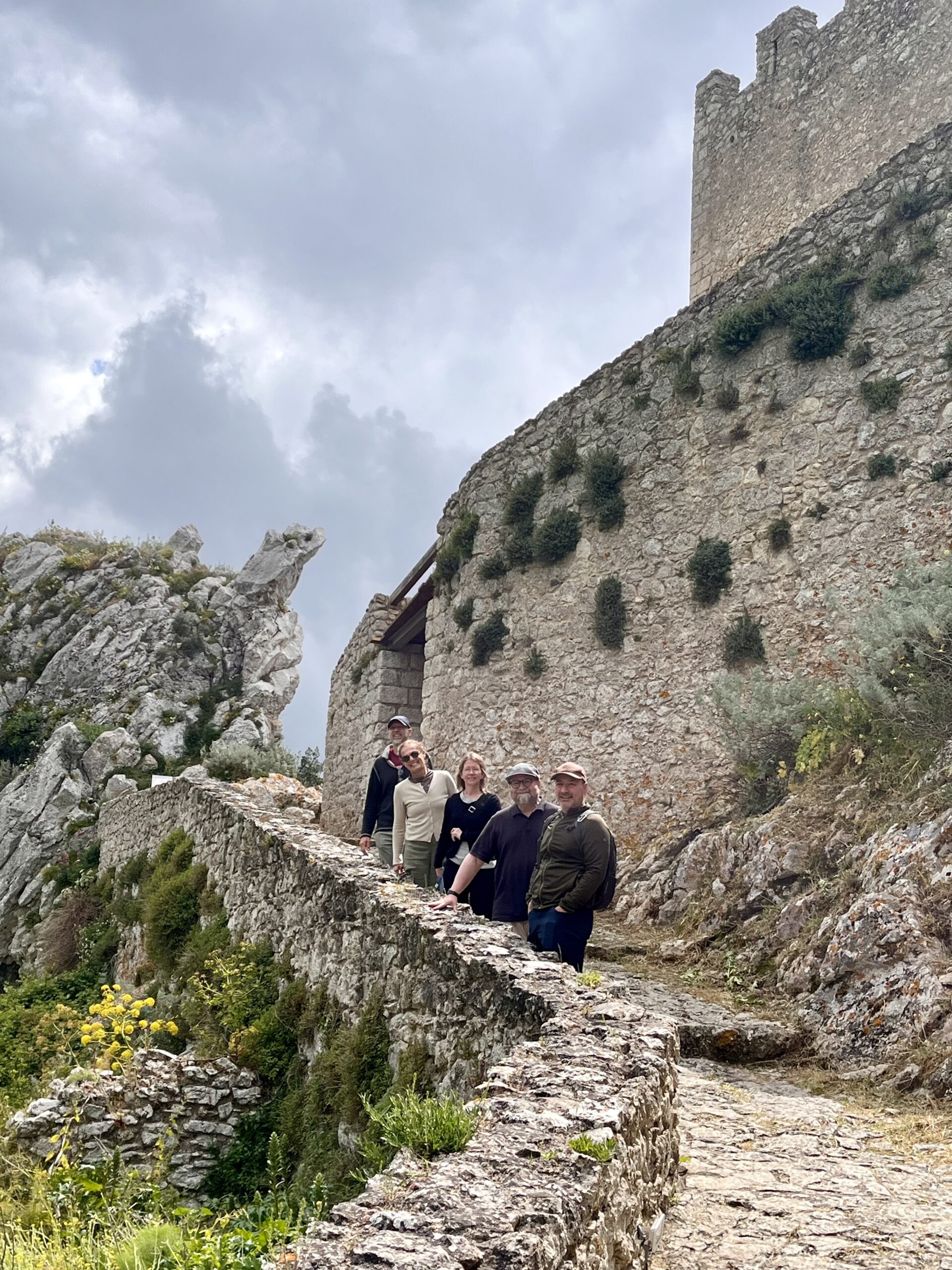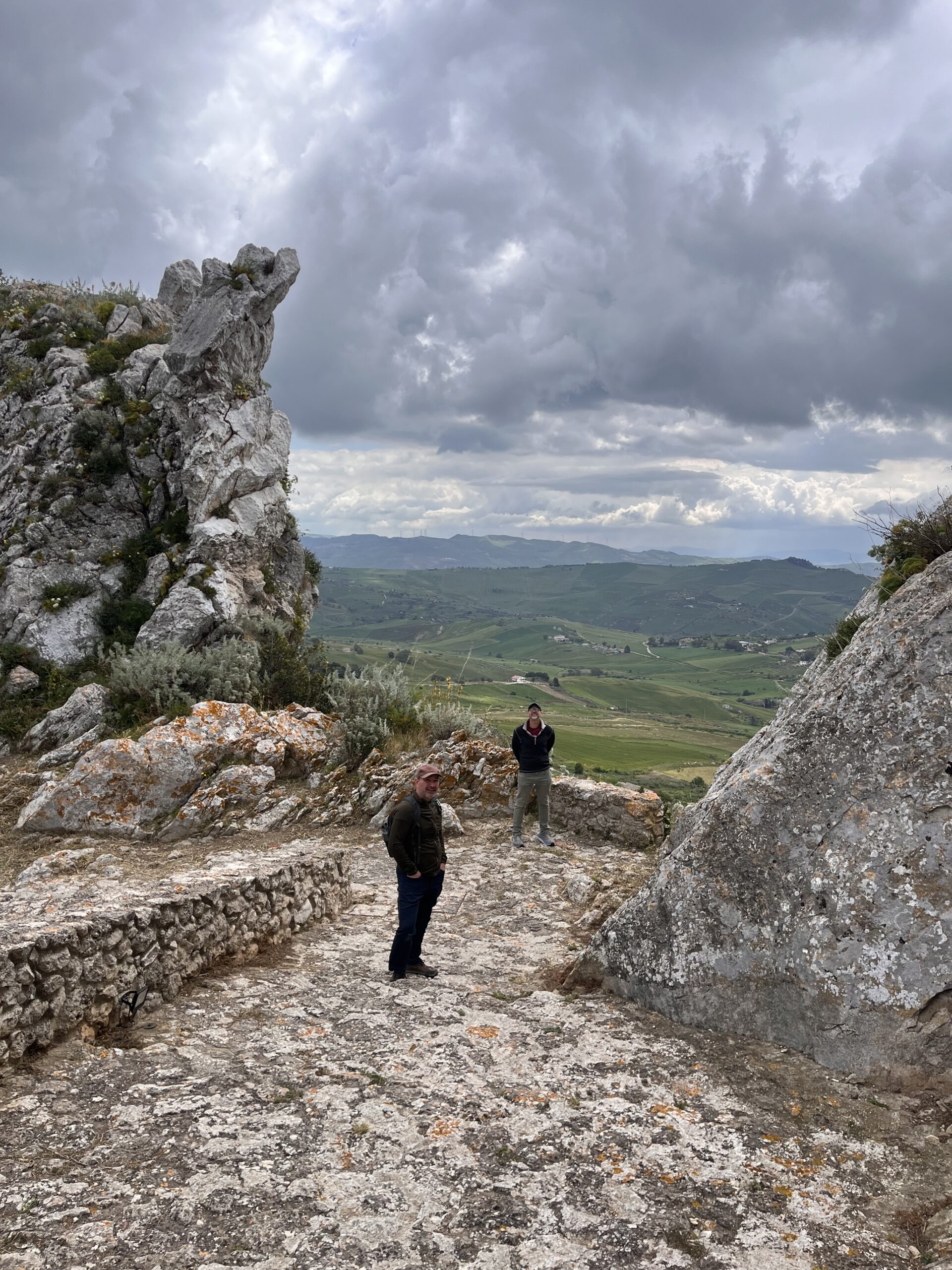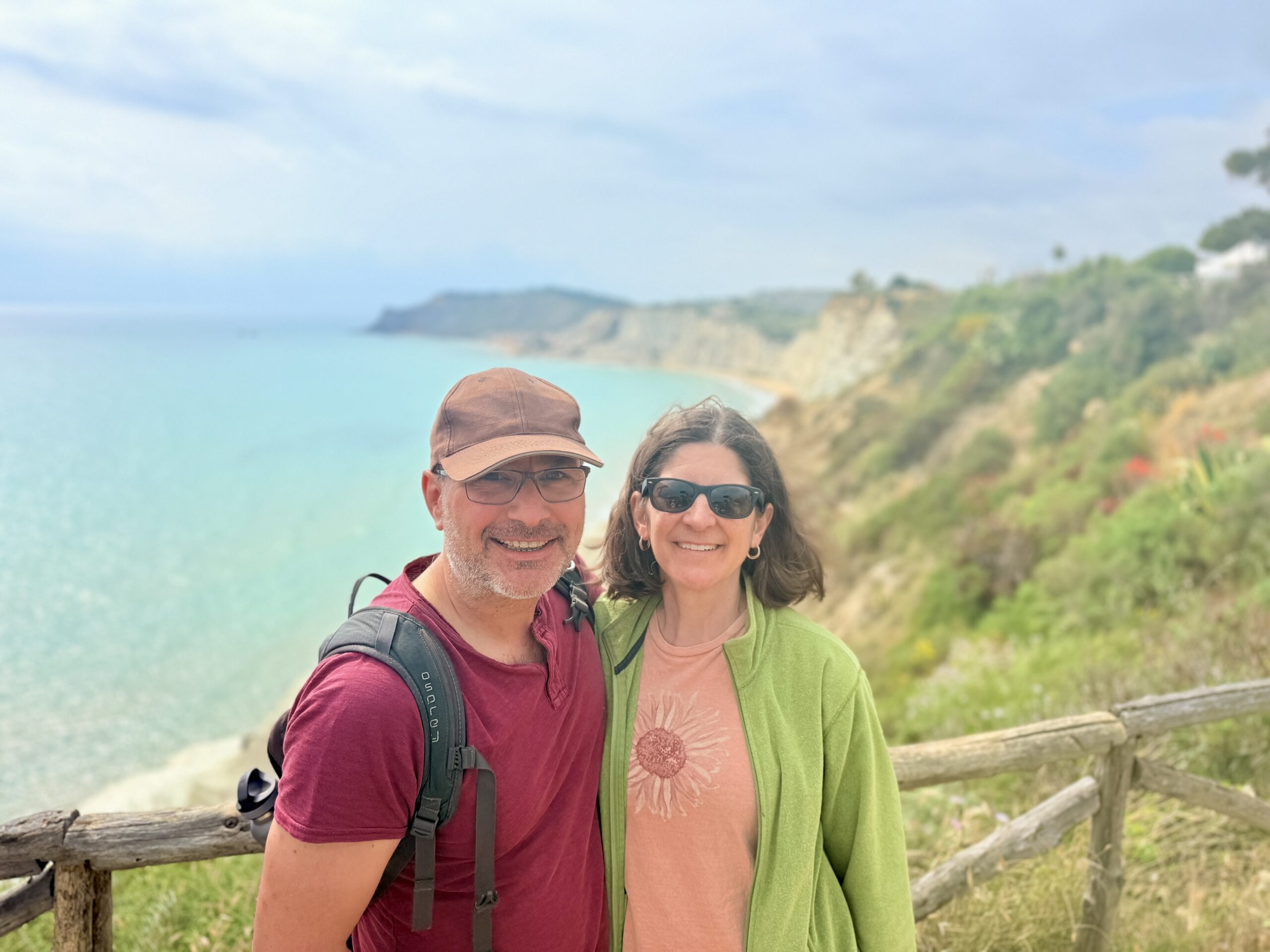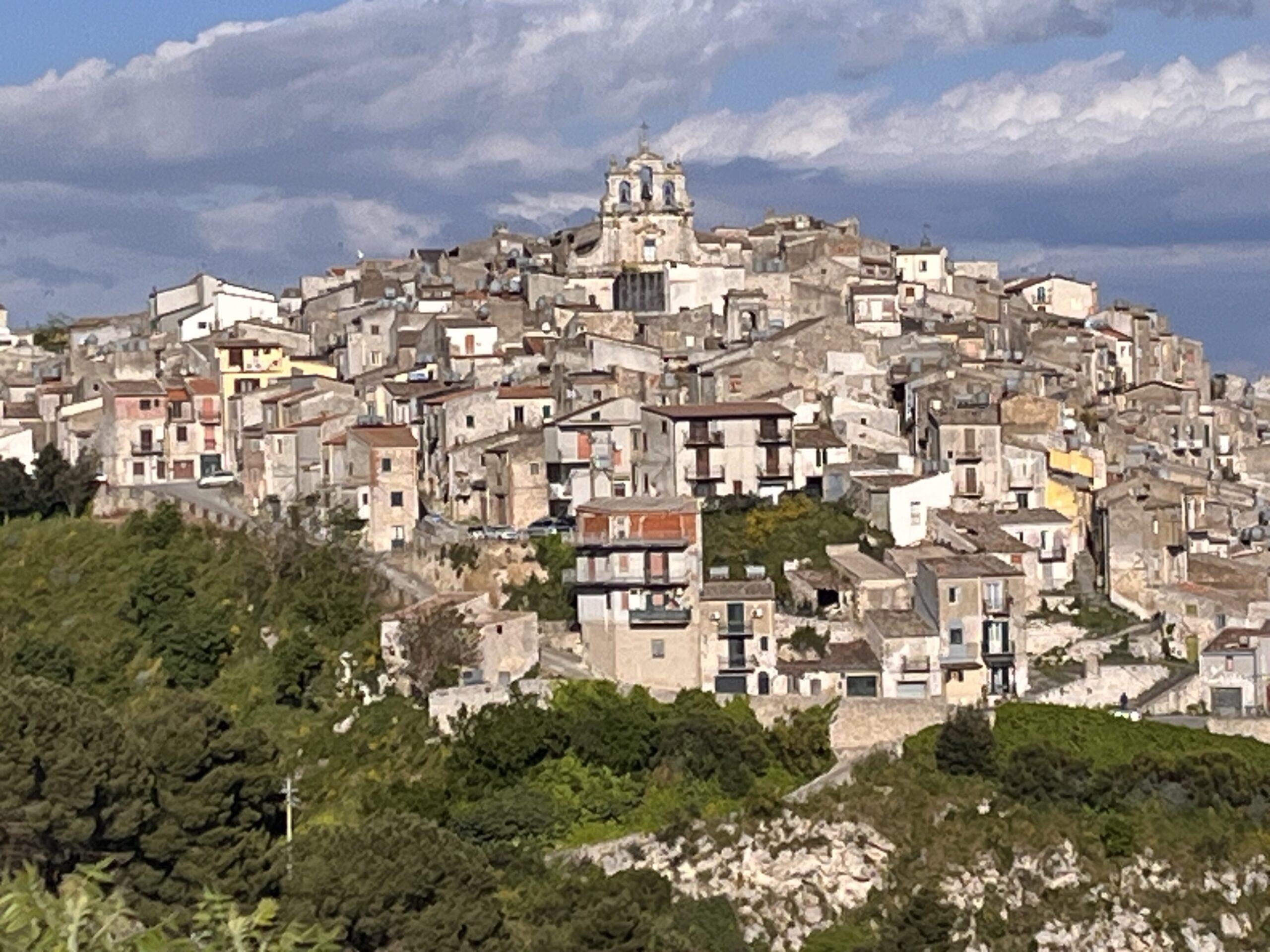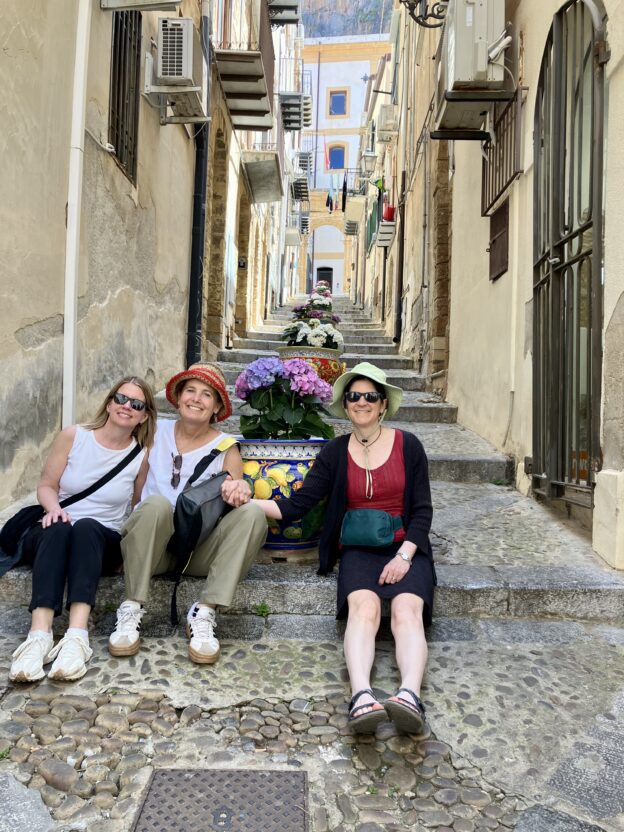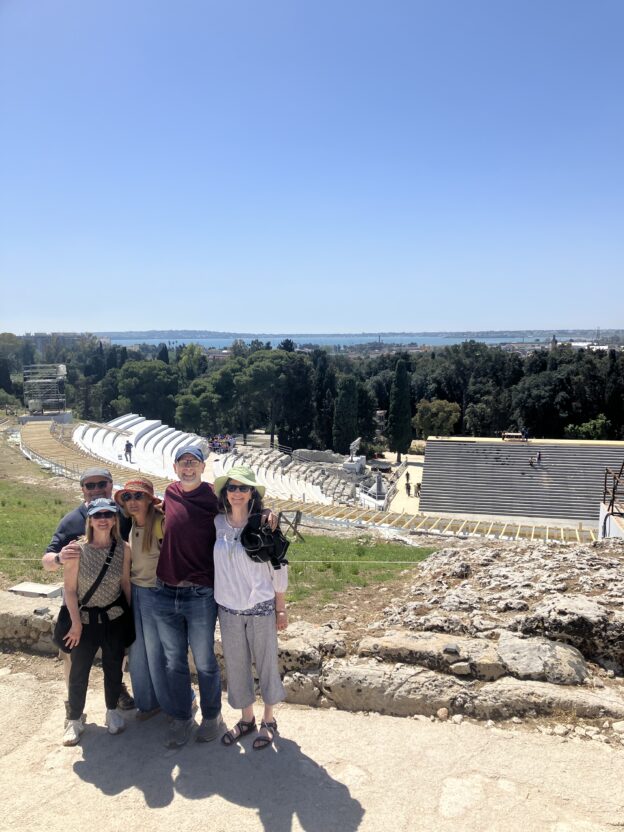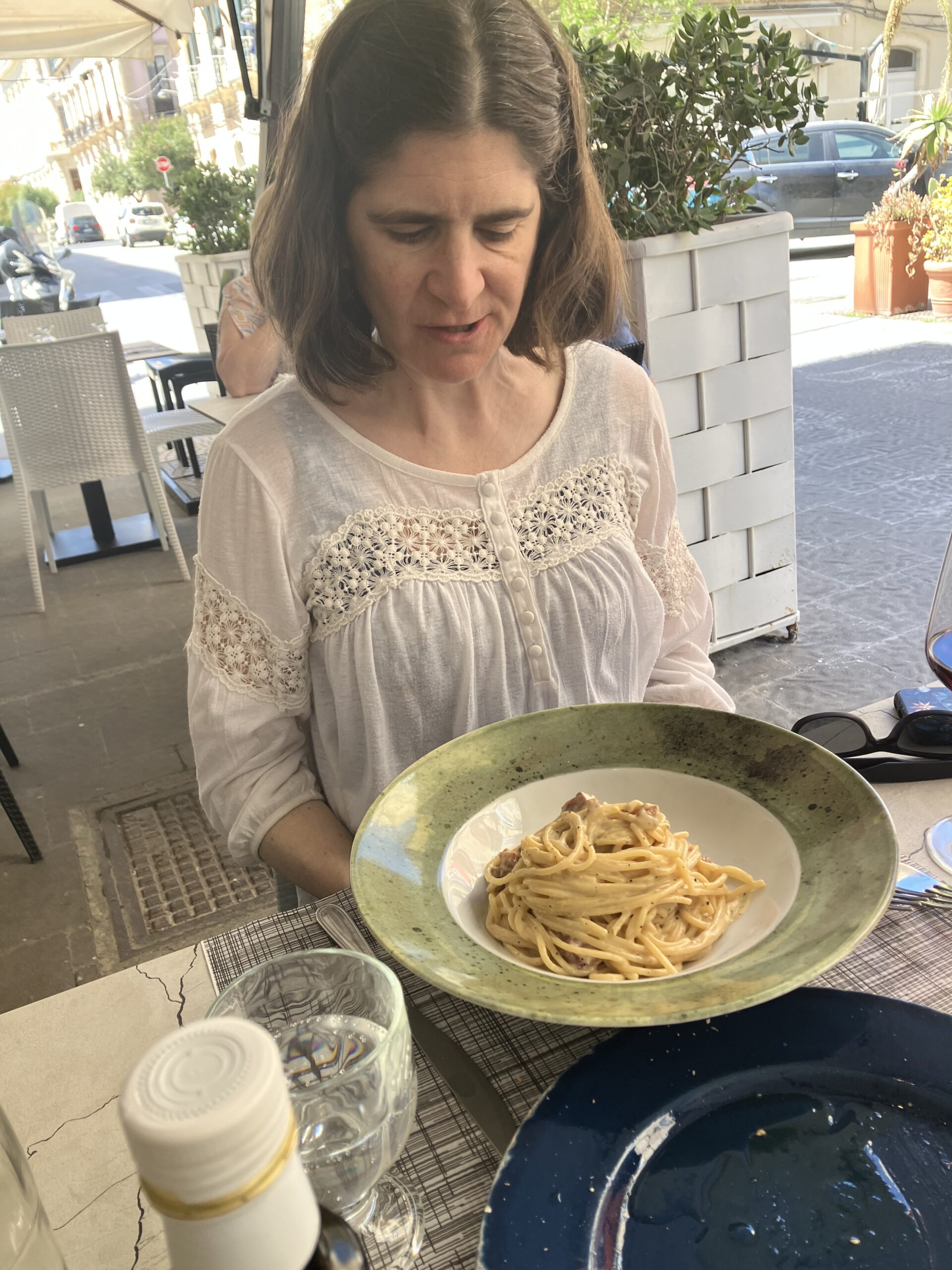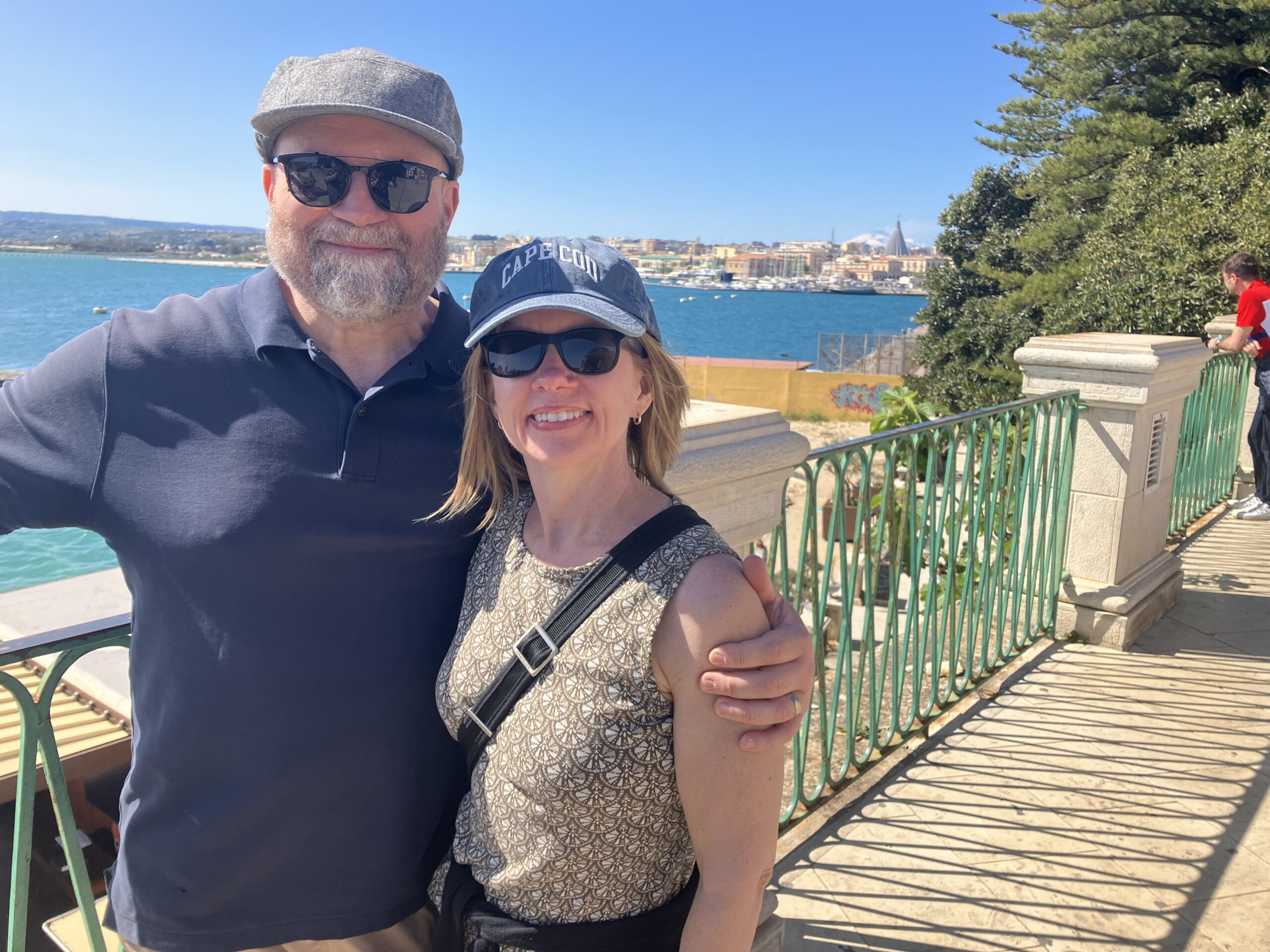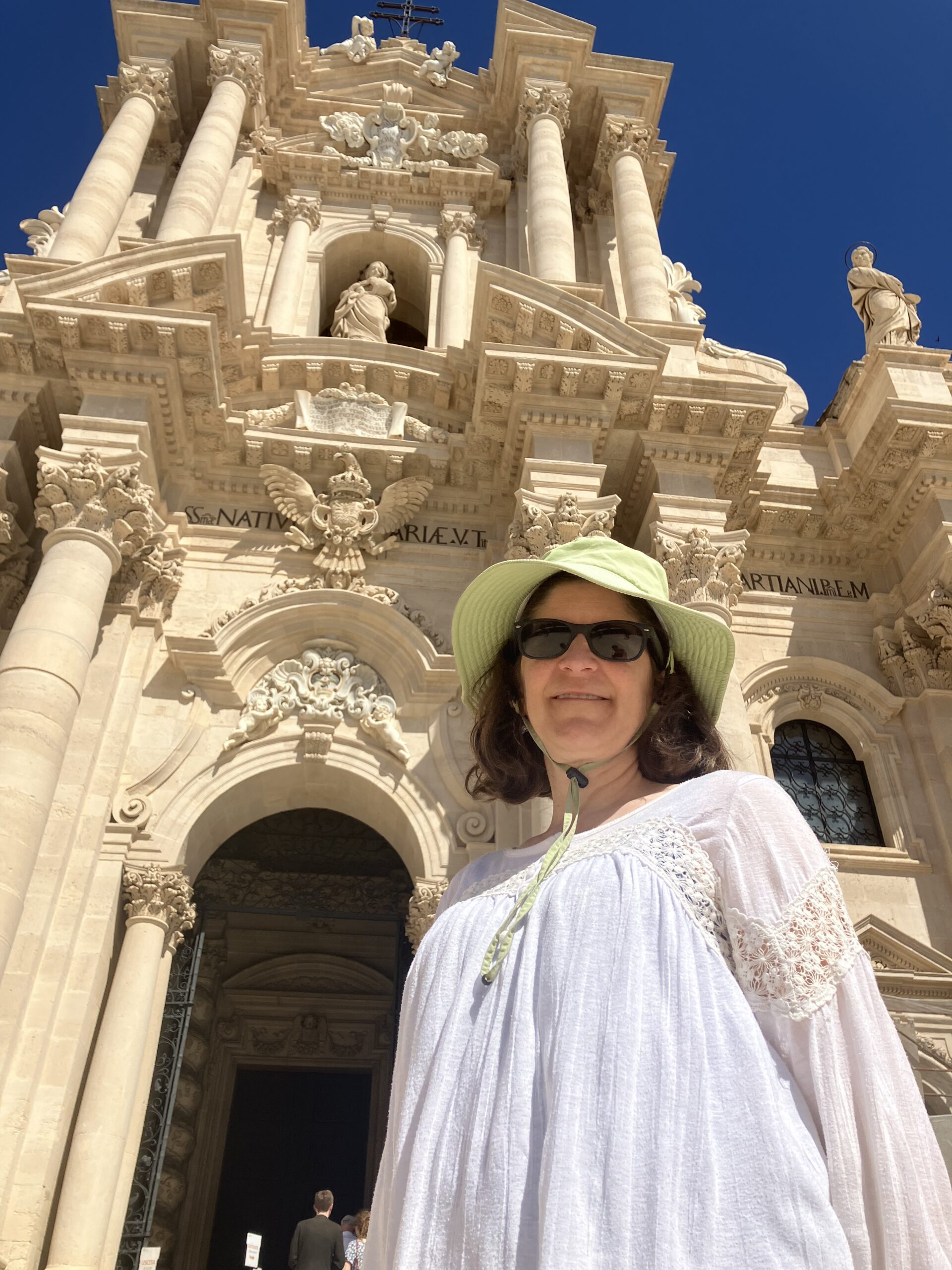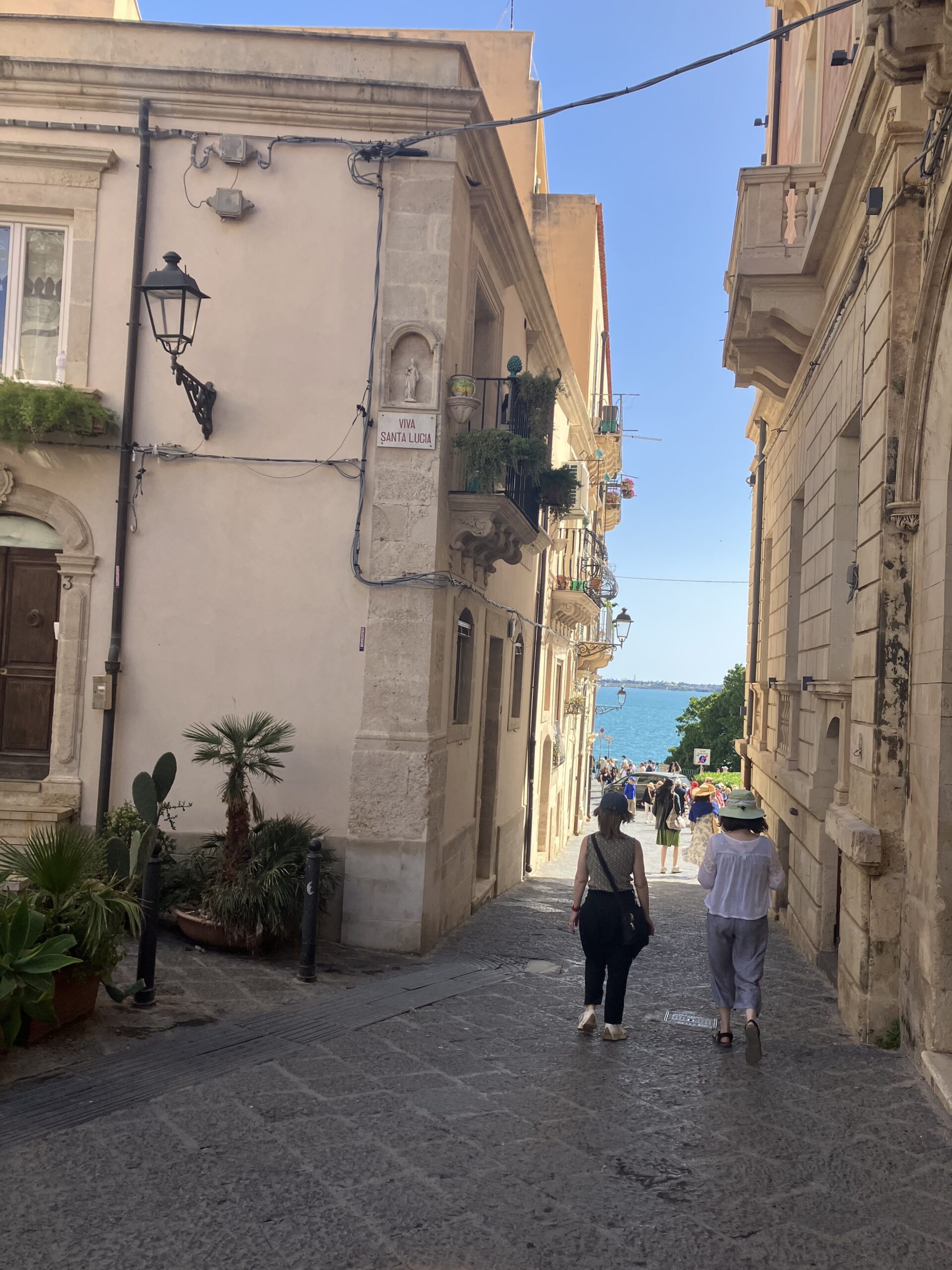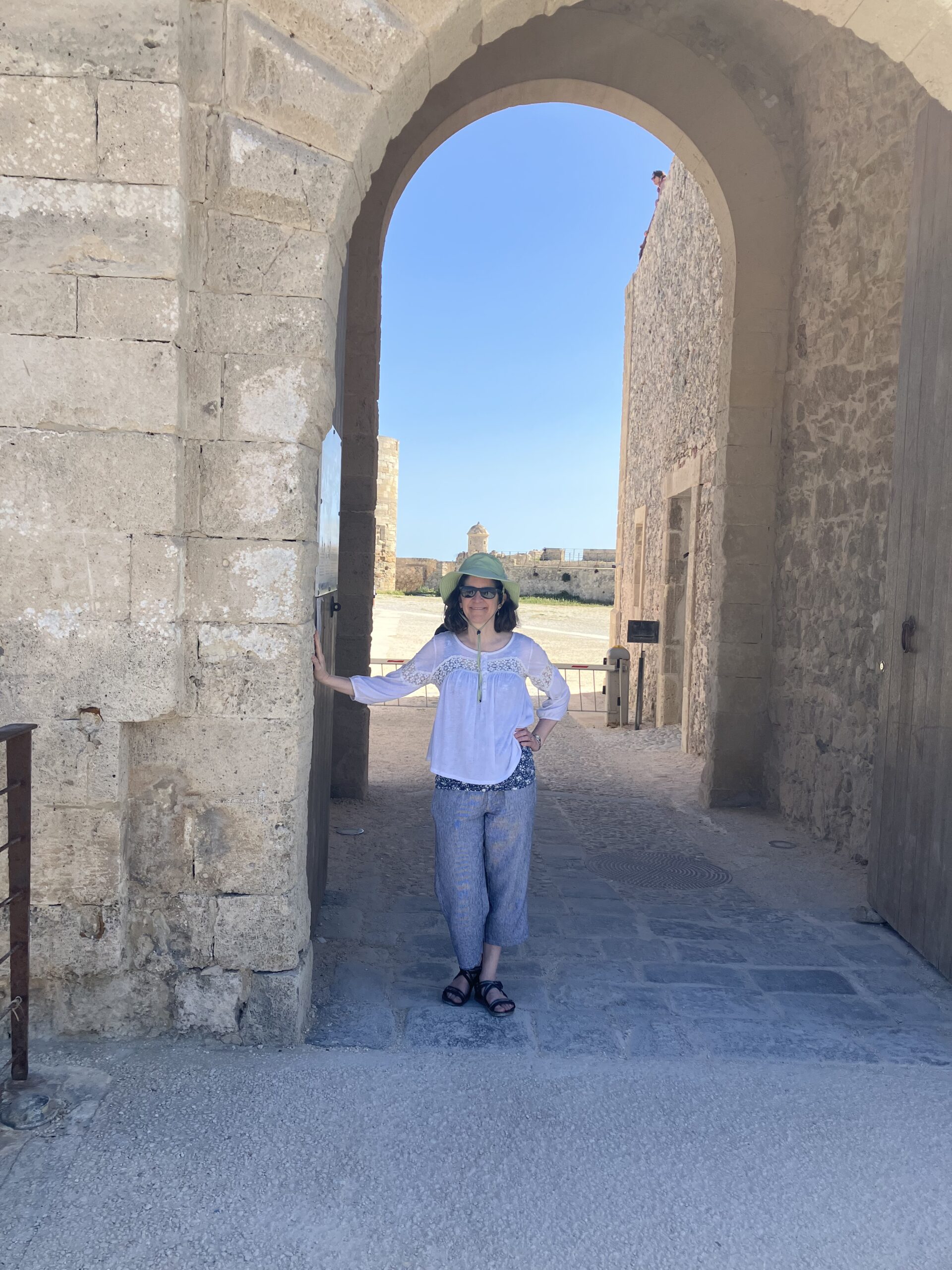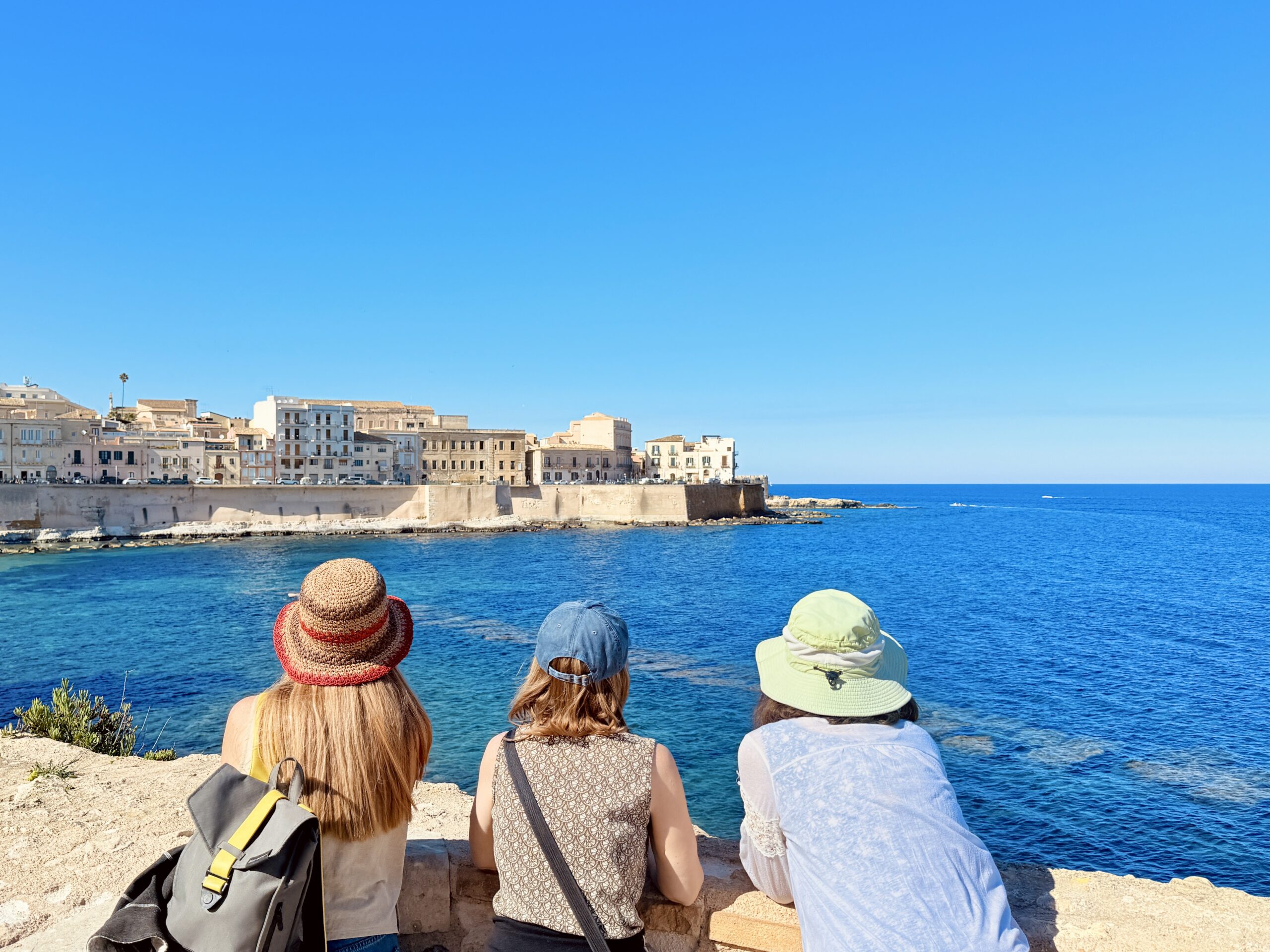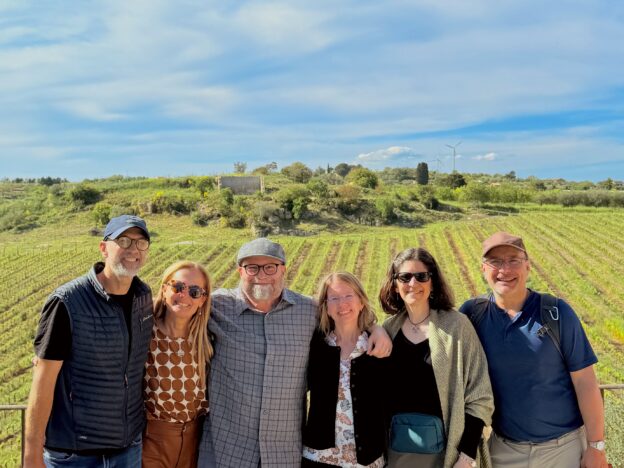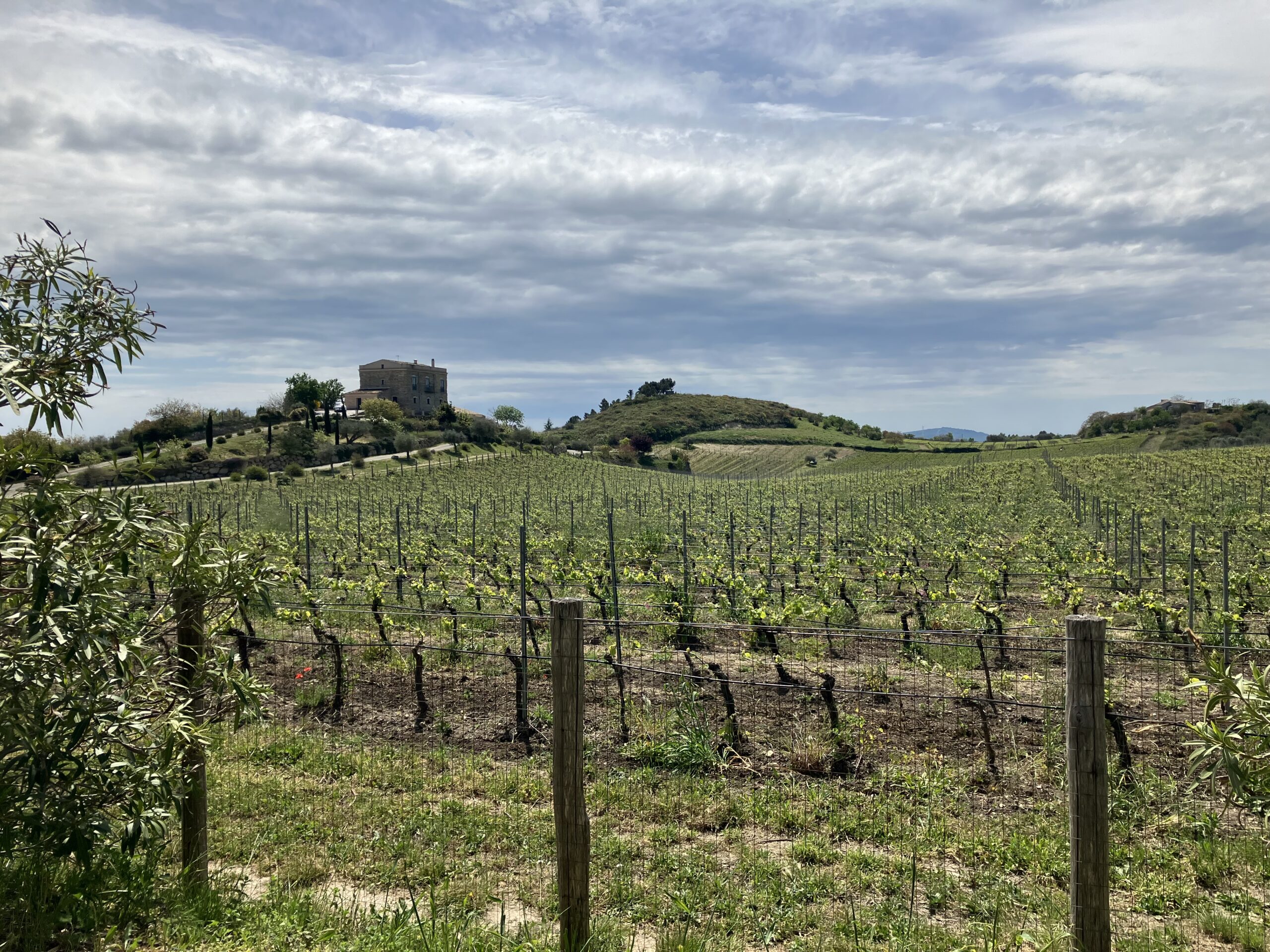
Yesterday’s bear proved that we don’t have to go far for interesting things here, so we just stuck around the resort all day.
No, of course we didn’t do that. Jen scrolled through the Internet last night (the resort does have excellent wifi, maybe we should have stuck around here), and told us about good hikes to do in the area. We settled on one that was not too far away and not too long in duration, and which promised a nice waterfall as it destination point.

We didn’t really get ourselves going particularly early, so when we got to the Emerald Bay area where our hike was, we found it crawling with fellow Tahoe worshippers. They were parking up one side of the highway and down the other. The three or four (smallish) parking lots provided were packed with cars already parked and other cars that had tried to pull themselves out of the way but still be in position to pounce when a spot became available.

Perhaps I should step back. Emerald Bay is a particularly scenic section of the lake. The name should give some description of what it looks like; I’ll add that right in the middle of the bay is a rocky island — the only island in the whole lake. Pictures of Emerald bay are everywhere, even above the fake fireplace of our condo unit.
We were offered excellent views of it as we drove in from the south. This is thanks in part, seemingly, to the state of California’s decision to fund many of its progressive initiatives by saving money on guardrails. I mentioned steep cliffs earlier. We had to traverse a few miles of switchbacks and cliff edges that offered, oh, a few dozen yards of railing on the edges of the road. The two-lane (barely) track had very, very little shoulder for most if its duration and extreme drop offs — sometimes on both sides of the road at the same time. If you want lovely views of Lake Tahoe and the adjacent Cascade Lake — and if you could bring yourself to look — the views were there.

Given the general confused state of parking in Emerald Bay — signs said you weren’t supposed to park in the gully alongside the road, but plenty of people were doing just that — we were faced with the dim prospect of tracing our precarious path back over the ridgeline and down the other side back to South Lake Tahoe empty handed. One last turn-off offered hope. It was a picnic area section of the National Forest, and it turned out to be just what we wanted. We happily paid $12 to park in a shaded, easy-to-navigate lot (I’d pay $12 not to have to parallel part in a gully alongside a busy highway any day), and we found the trailhead to the Cascade Trail only a few feet from our space.

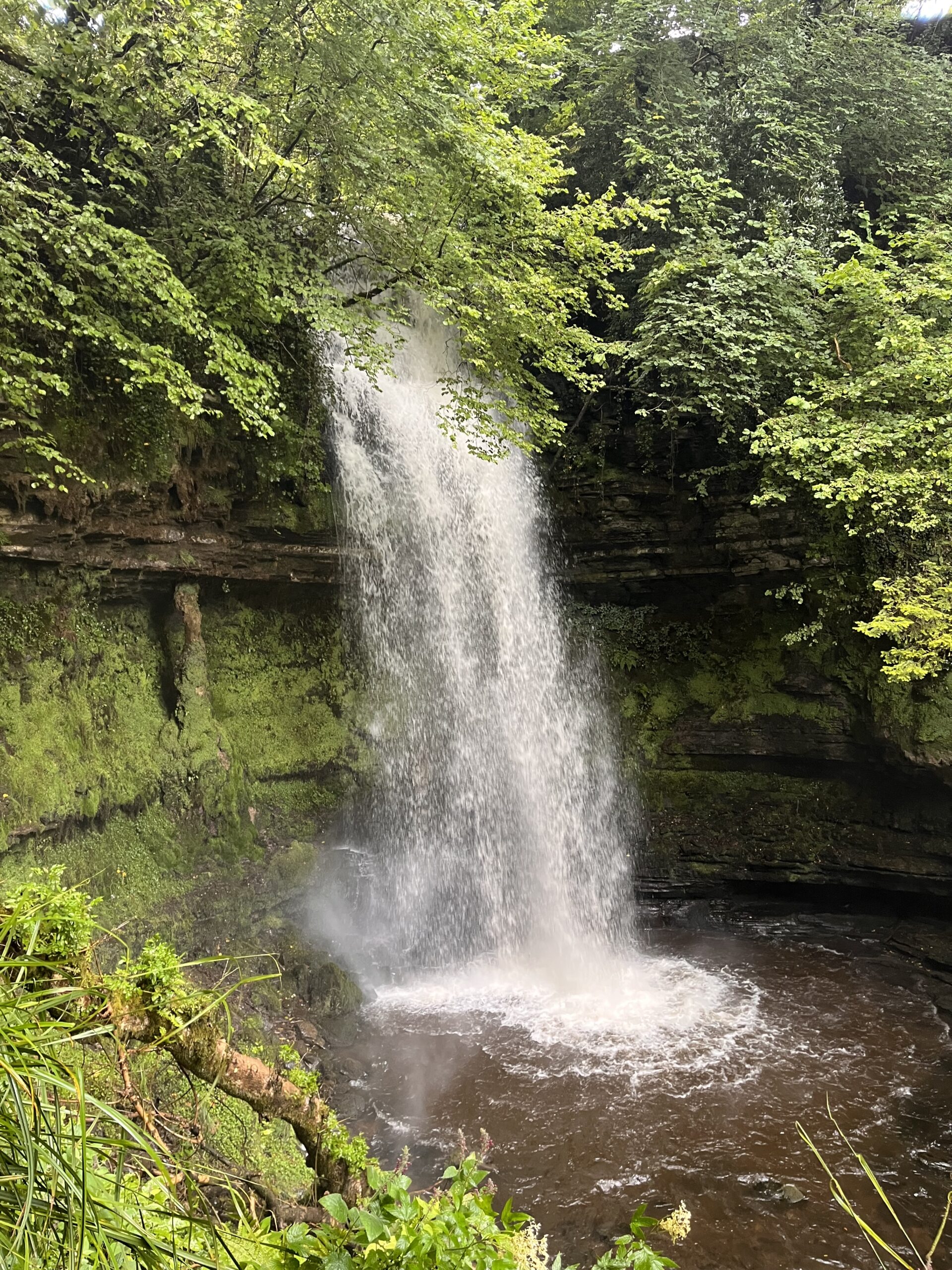
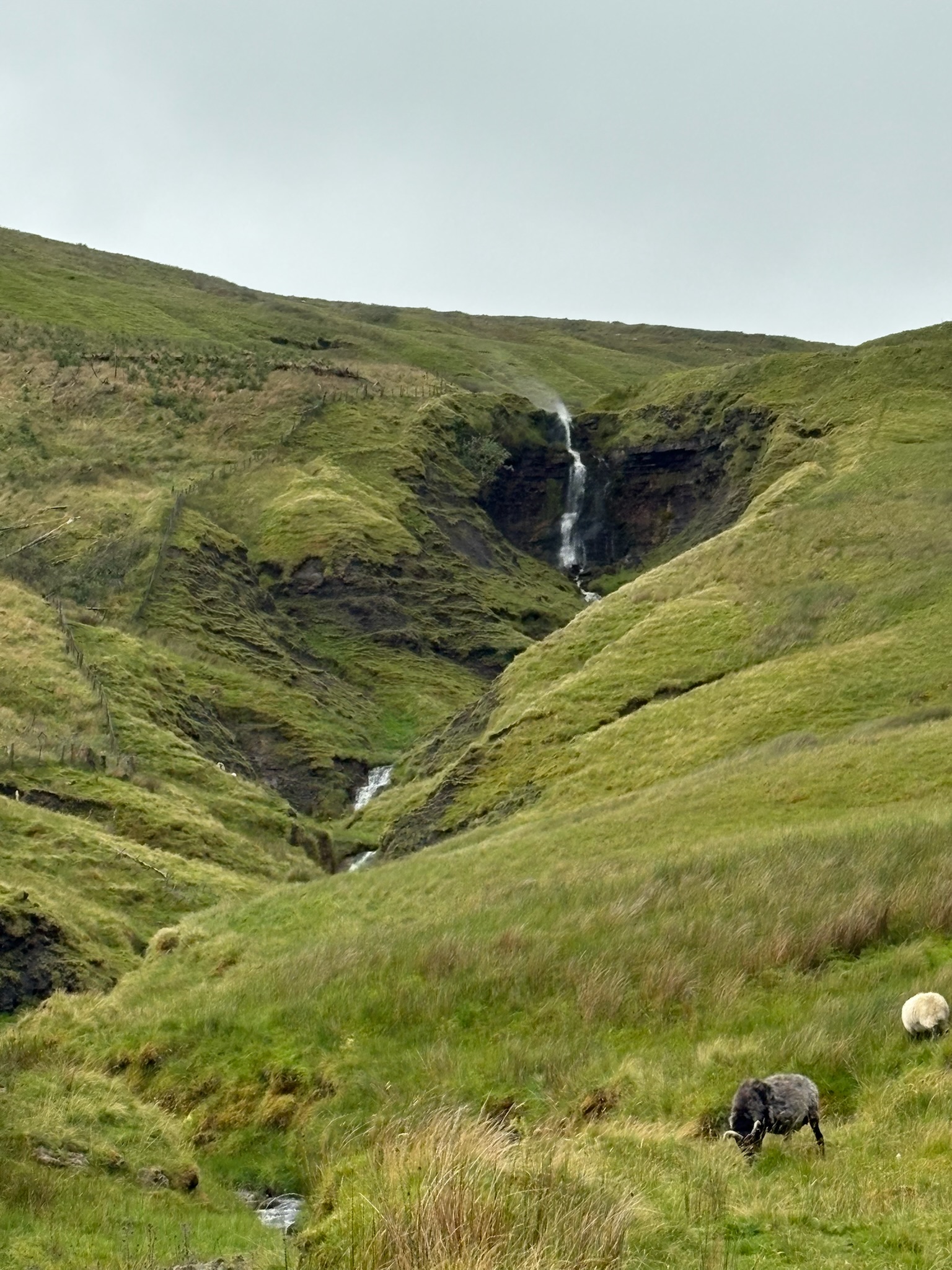
Of course, the bulletin board at the head of the trail did mention that the squirrels in the surrounding forest might be carrying the plague, but we were so happy not to be still finding a parking space that we hardly broke stride to consider this information. We got what we came for: a relatively short, relatively level hike to a series of small waterfalls that eventually gave way to a tall waterfall. (As far as we know, we did not get what we didn’t come for: the plague.)
The waterfalls were fun to hop across, and spanned enough distance that, even though there were a lot of people enjoying the area, it did not seem overcrowded. Plus, whenever you looked up from the stream, there were views of the mountains in one direction and the twin views of Cascade Lake and Lake Tahoe in the other direction. It is starting to dawn on us that this is a top-notch hiking destination, at least on par with — and very similar to — Acadia National Park.

We would not have considered this as a vacation spot if Zoe had not drawn us here, but the views of the blue and blue green waters of the lake with the mountains immediately adjacent more than enough to justify the time and expense of getting here. Even if South Lake Tahoe bears very little physical resemblance to Bar Harbor, it is central to a lot of hiking opportunities, many within 45 minutes drive. The fact that we are overlooking a lake here and not the ocean does not seem to be much of an issue.

After finishing our hike and easing our way back around the ridge road (it’s easier on the way back because we were in the inside lane for most of the turns), we eventually met up with Zoe, who had gotten off work right about when we were getting back to our condo. She cleaned up and came over for a visit, and she brought her co-worker Pierre. We have heard a lot about all of her co-workers, and we knew Pierre was usually up for Ark Nova, a boardgame we have not played for months because Zoe brought it west with her. Laregely because we were rusty and also because he seems to be a sharp fellow, Pierre edged out Jen to be Ark Nova champion for the day. We showed no hard feelings by taking him out for pizza afterwards. The rest of Zoe’s team was invited, too, but for various reasons they could not make it.

If you can believe it, we had such a good time with Pierre that we did not take any pictures. We’ll have to see if we bump into him and Zoe’s other teammates tomorrow when we visit the farmer’s market.


This was the final day of our trip. It simultaneously feels like it’s been forever, and that it’s gone past in the blink of an eye. We’ve been keeping busy on the outskirts, but today was the first time we headed into Tokyo proper. We were riding in at rush hour, so we definitely got a feel for what Yoshie called the “real Japan”. We had to take a couple of different trains, and on the final one we crammed ourselves into a train car that seemed impossibly full already. But diminutive Yoshie sailed into the melee — and Margaret and I had to follow, for fear of being left behind and lost forever in the complex subway system.
over 100,000 youths volunteered to help with the planting. Now the forest provides a shady oasis in the heart of the city. It was amazingly quiet on the wide, tree-lined paths.
not manage very impressive results. I was just happy that I hit my target at all. After everyone had tried it out, the center presented us all with tote bags and books. (This was very convenient for many of us, since we had quite a few extra items to get back home. The following day there would be many black archery bags getting toted onto the plane.)

When we heard we were having lunch at the government workers’ cafeteria, I admit I wasn’t particularly excited. (We heard this isn’t generally open to the public, but our host group had somehow gotten special permission for us to visit.) But it turned out that this is a lovely space on the 35th floor of the building, with large windows overlooking the city in all directions. Plus the food — a ramen bowl with pork for me — was delicious, filling, and very cheap.
After lunch we headed back down to the lobby, then up another elevator to the observation deck on the 45th floor. The building we were in is one of two twin towers, and there were bag checks and security measures to go up. (Our hosts told us that there was a lot of worry after 9/11 that the Japanese twin towers would be targeted as well.) At the top was a huge room with windows on all sides for looking out over the city. In the center of the room was a gift shop (where, now that I had my tote bag, I couldn’t resist picking up a few more things) and a grand piano that seemed to be open to the public to use. We heard an amazing piano player do a few songs, then another not-so-amazing wanna-be piano player just banging on the keys at random.
After heading down and taking a short train ride, we arrived at Rikugien Gardens. This was a beautiful place, with a large pond and manmade hills providing a lovely backdrop for all the meticulously-maintained landscaping. We’d come at a non-ideal time, in the short window right after the azaleas were finished blooming and before the next flowers hadn’t started — but it did mean a total lack of crowds. This place was absolutely beautiful even now, but I can’t imagine how breathtaking it would be with whole hillsides of azaleas in bloom, or fall colors in the many Japanese maples. In any case we were very happy with our choice of itinerary, and felt that the serene garden was a great way to end the day. (Apart from the train
ride in, we didn’t see big crowds at all — in fact, the streets around the garden were practically devoid of both cars and people. So I guess maybe we didn’t see the “real Tokyo” — but felt we could live without it.)
did this a couple of times, but Yoshie preferred to order the sushi directly from the chef to ensure it was absolutely fresh.) There was also a hot water tap right at the table, along with a box of green tea bags.
The next morning we got up bright and early for the airport, which Yoshie kindly drove us to (and even parked and came inside to see us off — definitely above and beyond the call of duty). I calculated that we spent 31 hours in transit (door to door) before getting home, at around 2:15am NH time. (On the plus side, Margaret and I got to enjoy three more airport lounges, all of which had food far superior to what we were served on the plane.) We have so much to reflect on and absorb from these two whirlwind weeks — we know that the impacts of this trip will be with us for a long time.
We’ve been talking about how different it is to travel with Friendship Force, and stay in people’s homes, than it is to travel as a regular tourist. We feel we’ve experienced so much more of the culture and have had such deep and meaningful experiences here. Today was a good example.
We were also joined by Debbie and Caroline, while the other half of the group went to a Japanese drumming show. Kimi arrived with a large pile of gear, including a chef’s outfit, a big wooden surface, a long skinny wooden rolling pin, a beautiful homemade box for holding the noodles before they were cooked, a wooden plank for holding the dough steady while cutting it, and a big-ass knife. He and his wife didn’t speak much English, but we were able to communicate through Yoshie and with Google Translate.
Kimi followed a very precise process of mixing, kneading, and
rolling the dough, with us attempting to follow him. We added water to the flour in four separate steps, mixing after each. Then it was time for a LOT of kneading. Once the dough because a smooth spherical ball, we shaped it into a round disc, then used a special rolling technique to transform this into a large, very thin square. When he thought it was ready, Kimi brought out two metal sticks 2 mm thick and set them on either side of the dough, then used the rolling pin to ensure that the dough 

Meanwhile, Kimi’s wife had been in the kitchen making tempura for hours. She cooked at least seven different types of vegetables — corn, carrots, eggplant, mushrooms, lotus, sweet potato, pea pods — and I’m probably forgetting some. Once the soba noodles were cooked, it was time for a feast. We each had a bowl of broth/sauce that we used for dipping our tempura and noodles in. Everything was delicious and as usual we ate way too much — especially when dessert came out. There was a fruit salad, and Yoshie (who’s taking an international cooking class) had made a tiramisu. Margaret and I had to go for a walk after lunch to work some of it off.
After what seemed no time at all, we were told that it was time to head off — for dinner. We’d been invited to another hosts’ home — the Togasakis’, where Joan and Annie were staying. There was not parking at their apartment, so we had to park at a nearby supermarket. Yoshie was kind enough to let us make a quick run in there, as I’ve been on a mission to find and buy Japanese KitKats, which come in myriad different flavors. (Why does the US have to
cheerful crowd. The Togasakis had a grand piano (that I would estimate took up about 25% of the floor space in the apartment), and Toga and Mitch played throughout the evening. There was also an encore performance of the ukelele club, with everyone singing along. The member’s daughter performed a mini tea ceremony for us — her family has been doing them for generations — and people told funny stories. It was a great way to spend our second-to-last evening.
We’ve been pretty lucky weather-wise on this trip. We had a little rain on our second day in Kyoto, but since then, the skies have been clear. If anything, most days we’re feeling overheated. But today our luck ran out. We awoke to a steady drizzle, and things went downhill from there.


What a treat we had in store for us today! The Tokyo group had arranged for us to spend two days outside the city in Hakone — an area of mountains, lake, and natural hot springs. We got up bright and early and Yoshie (who didn’t go on this trip) kindly brought us by train to our meeting point at Machida Station. From there we took another train (called the “Romance Car” for some reason) into the Hakone region, then a bus that wound up into the mountains, climbing steep switchbacks on a narrow road. (It reminded me a bit of our
Our day covered a lot of ground and was so well planned. We used several forms of transportation to explore all over the Hakone area, never retracing our steps. Our first stop was the Old Tōkaidō Road Ancient Cedar Avenue. This was a forest footpath that used to be the main route all the way from Tokyo to Kyoto, and a small section has been preserved here. It’s lined with giant, ancient cedar trees that were supposedly planted in 1618. It was amazing to think that this same route had been walked by countless Samurai soldiers several centuries earlier.
exhibits, there are some fascinating shops lining the streets. We went into one and saw a demonstration of a craft called Yosegi Zaiku that’s been practiced here for centuries. It involves combining different types of wood into elaborate patterns, then using a special blade to shave off thin slices of the design. The result looks like thick paper and can be glued into furniture, boxes, wall hangings, etc. The shop specialized in Japanese puzzle boxes, which use Yosegi Zaiku to create beautiful boxes that require an elaborate series of steps, or other clever mechanisms, in order to be opened. We saw a demonstration of several, including one that involved 54 steps (the craftsman
demonstrating got through it in a matter of seconds), and one that started out as an oval and had to be twisted into a heart shape in order to be opened. The craftsmanship was amazing.
The boat dropped us off near one of the stations of the Hakone Ropeway, a series of cable cars that traverses the mountains and allows you to get from place to place without relying on roads (while also offering spectacular views in the process). During the ride, one of our hosts cried out “Fuji!” and we all turned around to see that the famous mountain had emerged from the clouds and was looming dramatically off to the side of the car. Never have I seen such a dramatic


This morning we set out to explore Yokohama, the city where Yoshie lives. Though a suburb of Tokyo, it’s also the third-largest city in Japan. We set off on the train with just Margaret, Yoshie, and I, but over the course of the day we gradually met up with other group members.
surrounded by bursting blooms on all sides. Photos don’t really do it justice, but it was lovely strolling along with lush paths and under the rose-laden arbors. We came across a whole procession of people with tiny, elaborately-styled dogs in baby carriages, lined up waiting for professional photographs to be taken. The garden was also along the coastline, so we could see the harbor and the Yokohama skyline on the far side. The harbor breeze was a relief, because the day was quite hot. (Most Japanese women carry double-layer umbrellas to shield themselves from the sun — maybe that’s why they all look so young.)
marking the entrance, and walked down narrow streets lined with Chinese shops and restaurants, paper lanterns hanging overhead. We had an excellent “lunch set” meal, containing soup, dumplings, an entree, rice, and dessert for about $6, in our own private room in the restaurant. Afterward we went around the corner to see an elaborate temple, with colorful dragons carved into every corner of the exterior. We came across a group of Japanese middle school students who chatted with us for a bit (they were just starting to learn English) and posed for a photo.

Right down the street was yet another beautiful rose
garden, bursting with blooms. We took a quick stroll through then went to the nearby ship terminal. The top of the building is a small park where you can see nice views of the harbor. This is a major stop for cruises, and is built to accommodate large ships, but there were none here today.
In the afternoon we traveled to the government offices of nearby Machida. We were introduced to a few of the government officers
(I can’t remember what their title was), and sat in the room where their city council meets. It felt more like a visit to Congress, with a room full of desks for each member with microphones and voting buttons. We were able to ask questions about how their system works and what challenges they’re facing. Apparently the biggest problem right now is drastic population decline. The man speaking to us said that in his birth year, 70 years ago, there were 7500 babies born in the city — and last year it was under 3000. Young people are not getting married at very high rates. Based on what we’ve gathered about the system here (men are required to go
out drinking with their boss until all hours, while women go home after work to take care of children and the house), it’s somewhat understandable to us why more of the women aren’t signing up! Machida, like everywhere in Japan, is having to close and consolidate schools. (This was somewhat counterintuitive to us, because we saw hordes of schoolchilden EVERYWHERE. If there were three times as many, I’m not sure how the trains and streets could accommodate them!)


stillness. Today I got my wish. The only other person around was a monk, chanting and beating a drum from within the shrine. Non explained the significance of the various statues and writings around the shrine, and showed me a round marble ball engraved with good wishes for various aspects of life (including one for successful travel). (I thought it would be easy to look up the name of this shrine, but I have been foiled — so I’ll need to ask Non and update this later.)
We had to take one train from Nara back to Kyoto, then get on the bullet train (Shinkansen) bound for Tokyo. We had a bit of a snag because we’d lined up in the wrong place for our assigned seats, and had to race to get everyone on the train in time. (Japan trains are extremely reliable — even one minute late is considered unacceptable — so there is no wiggle room if you’re too slow to get on.) We were still on the wrong car, so we had to traipse through several cars full of curious school children, hauling our luggage behind us and probably bumping into people left and right. Despite some trepidation we managed to navigate Kyoto Station successfully, figure out where to line up, and get onto the right train car. (In Japan, people line up in neat queues when waiting for a bus or train.)


A little later on Yoshie’s daughter came over to help prepare dinner for us. She made okonomiyaki — Japanese pancakes with cabbage, egg, yam, and seafood (which Yoshie calls “Japanese soul food”) — similar to what we’d had in Nara. It was delicious, just as before. Yoshie’s daughter was also very kind and welcoming (and as seems to be the norm, looked far younger than her age of 38). Later on Yoshie’s granddaughter, age 12, joined us as well, after completing her school day. She goes to a private school, and has class 6 days a week — plus long days and homework.